
PCOS-related night sweats are caused by hormonal imbalances, specifically elevated androgens, high cortisol, or low estrogen, along with chronic insulin resistance disrupting thermoregulation. These sweats can be intense, leading to waking up with soaked bedding. Around 40 to 50 percent of women with PCOS report sleep disturbance including night sweats, making it one of the most underdiagnosed PCOS symptoms in clinical practice.
According to Dr. Reshma K Priya, an experienced Gynaecologist in Bhubaneswar, “Night sweats rarely make it onto a patient’s symptom list, yet when I ask directly, almost half of women with PCOS confirm it. Treating the hormonal driver, not just the sweating, is what changes outcomes.”
How Common Is PCOS Sweating At Night?
PCOS affects roughly 1 in 5 women of reproductive age in India, with higher prevalence in urban and eastern India including Odisha. Night sweats remain underreported because they get lumped under generic sleep complaints.
| Symptom in PCOS | Reported prevalence |
| Irregular cycles | 75 to 85 percent |
| Insulin resistance | Up to 70 percent |
| Sleep disturbance | 40 to 50 percent |
| Night sweats / hot flashes | 20 to 35 percent |
| Obstructive sleep apnoea (obese subgroup) | 30 to 40 percent |
The American College of Obstetricians and Gynecologists recommends a metabolic and sleep workup in any PCOS patient reporting persistent night sweats. See Gynecology Services in Bhubaneswar for integrated PCOS evaluation.
Causes And Risk Factors Of PCOS Sweating At Night
Multiple hormonal mechanisms converge to disrupt overnight thermoregulation:
Elevated androgens
Stimulate sweat glands directly, with sweating concentrated on chest, back, and scalp
Estrogen fluctuation
Anovulatory cycles destabilise the hypothalamic temperature set point
Cortisol dysregulation
Spikes between 1 and 4 a.m. trigger sweating and early waking
Insulin resistance
Disrupts overnight glucose stability and activates the sympathetic nervous system
Obstructive sleep apnoea
Present in 30 to 40 percent of obese PCOS patients
Coexisting hypothyroidism
Found in 22 to 27 percent of PCOS women
Highest-risk profiles: BMI 27 or above, fewer than 8 menstrual cycles per year, family history of type 2 diabetes, lean PCOS with documented insulin resistance, age 25 to 40.
Effects And Complications Of PCOS Sweating At Night
Untreated PCOS night sweats are not just a sleep nuisance. The underlying dysfunction produces measurable long-term harm.
| Complication | Clinical risk |
| Type 2 diabetes | 4 to 7 times higher risk |
| Cardiovascular disease | 2 times higher risk of MI and stroke |
| Anxiety and depression | 3 times higher prevalence |
| Endometrial cancer | 2.7 times higher lifetime risk |
| Infertility | Affects 70 to 80 percent of PCOS women |
| Weight gain | 2 to 5 kg per untreated year |
The Endocrine Society recommends early intervention to prevent metabolic progression, particularly in patients with sleep disturbance.
How Can I Manage And Prevent Night Sweats Caused By PCOS?
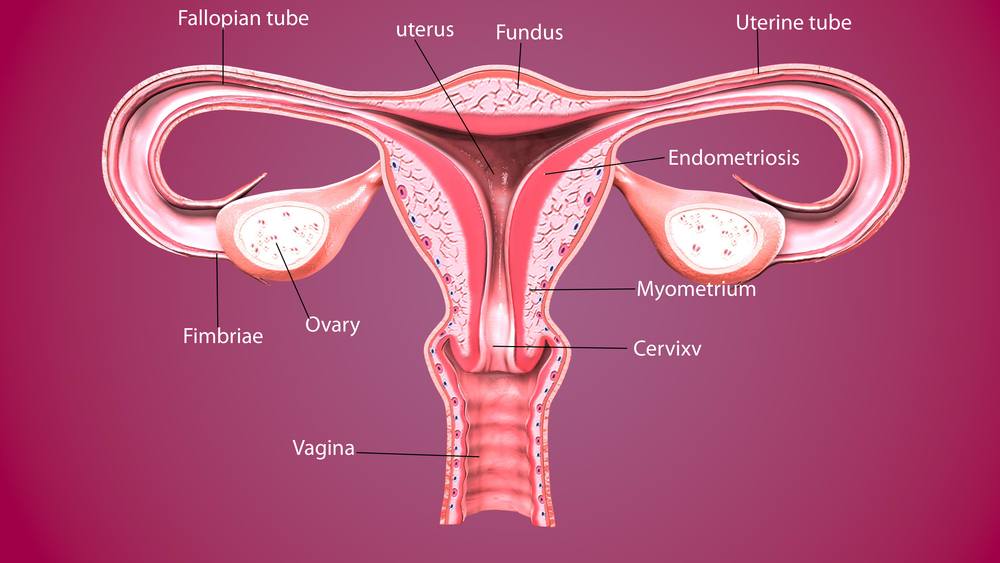
Treatment works in two layers. Lifestyle changes address triggers, and medical therapy corrects the hormonal driver. Most patients need both.
Lifestyle steps (first-line):
Bedroom temperature
Maintain 18 to 20°C with cotton bedding and breathable nightwear
Diet
Cut refined carbs and sugar at dinner to prevent overnight insulin spikes
Stimulants
Limit caffeine after 2 p.m., reduce alcohol intake
Weight
A 5 to 10 percent reduction improves insulin sensitivity and lowers androgens
Stress
Yoga and breathing exercises reduce cortisol-driven sweating
Medical treatment (driver-specific):
Metformin
Reduces insulin resistance, produces 1 to 3 kg weight loss
Combined oral contraceptives
Stabilise estrogen and progesterone, reduce vasomotor sweating
Anti-androgens (Spironolactone)
Block androgen receptors, reduce androgen-driven sweat
Inositol (myo and D-chiro)
Improves insulin signalling
GLP-1 agonists (Liraglutide, Semaglutide)
5 to 15 percent weight reduction in obese PCOS
Thyroid replacement
If hypothyroidism is present, resolves that component independently
When To Consult A Doctor
Night sweats are not always benign, and certain patterns need a gynaecologist’s evaluation rather than self-management.
Consult a doctor if any of the following apply:
Frequency
Night sweats more than 3 nights per week
Cycle changes
Missed periods, very irregular cycles, or fewer than 8 cycles per year
Weight changes
Unexplained weight gain, especially abdominal
Mood symptoms
Persistent fatigue, anxiety, or mood disturbance
Fertility concerns
Trying to conceive with unpredictable cycles
Other PCOS signs
Acne, scalp hair thinning, increased facial or body hair
Sleep apnoea signs
Loud snoring, breathing pauses, or excessive daytime sleepiness
Early evaluation prevents progression to type 2 diabetes, cardiovascular disease, and infertility complications. For structured PCOS care alongside metabolic management, Pregnancy Care in Bhubaneswar and PCOS-specific gynaecology services at Rahat Hospital offer integrated treatment.
FAQs
1. Does PCOS cause night sweats?
Yes, Hormonal imbalance, elevated androgens, low estrogen, cortisol dysregulation, and insulin resistance all disrupt overnight temperature regulation. Night sweats are documented in 20 to 35 percent of PCOS patients.
2. Are PCOS night sweats the same as menopausal hot flashes?
No, but the mechanism overlaps. PCOS sweating starts in the 20s or 30s and follows the menstrual cycle. Menopausal flashes begin in the late 40s.
3. Can losing weight stop PCOS night sweats?
Often yes. A 5 to 10 percent weight reduction improves insulin sensitivity, lowers androgens, and stabilises sleep. Lean PCOS patients also experience night sweats, so weight loss alone is not always sufficient.
4. Which medication works best for PCOS night sweats?
There is no single answer. Metformin addresses insulin resistance, oral contraceptives stabilise estrogen swings, and anti-androgens reduce androgen-driven sweating. Treatment depends on the dominant hormonal driver.
5. Are PCOS night sweats dangerous?
The sweats are not dangerous, but the underlying imbalance raises long-term risk for type 2 diabetes (4 to 7 times), cardiovascular disease (2 times), and endometrial cancer (2.7 times) if untreated.
