
Yes, pelvic pain after pregnancy is normal for most new mothers because ligaments got stretched, pelvic floor muscles are shot, you’re healing from vaginal tears or C-section cuts, and hormones keeping everything loose during breastfeeding aren’t helping. Mild to moderate pain that slowly gets better over weeks is expected, but severe pain, stuff getting worse instead of better, pain when you pee or poop, or pain dragging past 8-12 weeks needs checking because it could mean infection, organs dropping, or other complications.
According to Dr. Reshma Krishna Priya,
“Most new mothers deal with some pelvic discomfort after delivery, but nobody talks about what postpartum recovery actually looks like so the line between normal healing and needing treatment gets real blurry. Pain stopping you from picking up your baby or getting worse instead of fading? That needs checking, not waiting around hoping it fixes itself.”
Why does pelvic pain happen after delivery?
Pelvis went through hell during pregnancy and birth – bones moved, muscles got wrecked, tissues ripped. Pain while recovering is your body trying to put itself back together.
Pregnancy shoves your pelvic bones apart making room for a baby. Delivery – vaginal or C-section – hammers your pelvic bones, joints, muscles, ligaments. Everything needs time healing and tightening back. Hormones staying loose for months after birth make it worse. Your body’s trying to get back to how it was while hormones are like “nope, stay flexible for breastfeeding.”
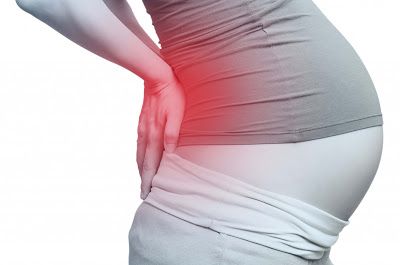
- Pelvic floor muscles destroyed: Pelvic floor holds up bladder, uterus, bowels. Pregnancy and pushing stretched them way past breaking point, sometimes tore them completely. Weak pelvic floor means aching, pressure like something’s gonna fall out, pain standing too long. Takes months and exercises getting strength back.
- Pubic bone separated: Symphysis pubis dysfunction is when the joint connecting pubic bones spreads too much during pregnancy or delivery. Sharp stabbing pain in front pelvis, worse walking, stairs, rolling in bed. Usually heals 6-8 weeks but drags on if bad.
- Tears or cuts healing: Vaginal tears from delivery or episiotomy cuts hurt healing. C-section slices through multiple layers – skin, fat, muscle, uterus – healing at different speeds. Pain, pulling, tenderness around stitches is normal first weeks. Sharp pain or gross discharge means infection.
- Uterus shrinking: Your uterus went fist-size to watermelon during pregnancy. After delivery contracts back over 6-8 weeks. Those contractions cause cramping, especially breastfeeding when oxytocin makes uterus squeeze harder. Feels like period cramps, sometimes brutal with second or third kid.
If pelvic pain won’t quit and you want actual answers instead of “give it time,” booking pregnancy care consultation gets you checked instead of guessing what’s normal versus what’s broken.
Ready to start your pregnancy journey with us? Book an appointment today for expert pregnancy care in Bhubaneswar and get the support you deserve. – Book an appointment
When does pelvic pain mean something's seriously wrong?
Some pain patterns scream stop waiting and get help because complications are building.
Not all postpartum pelvic pain is normal healing. Certain types signal infection, prolapse, nerve damage, stuff that won’t fix itself. Ignoring makes problems worse and way harder fixing later.
|
Symptom |
What’s Probably Wrong |
What You Do |
|
Sharp front pelvis pain |
Pubic bone separated |
Rest, support belt, therapy |
|
Pressure down there |
Weak pelvic floor or prolapse |
Pelvic exercises, get checked |
|
Pain with fever/gross discharge |
Infection |
Urgent care, antibiotics now |
|
Cramping during breastfeeding |
Uterus contracting normally |
Pain meds if needed, fades with time |
|
Pain worse than labor |
Blood pooling or bad tear |
Immediate medical check |
|
Can’t control pee/poop |
Pelvic floor trashed |
Pelvic therapy, maybe surgery |
- Pain getting worse not better: Normal healing pain fades week by week. Pain staying same or worsening after 2-3 weeks means something’s not healing. Could be infection, blood pooling, tissues not closing right. Needs looking at to figure what’s broken.
- Severe pain with fever or nasty discharge: This combo screams infection – uterus (endometritis), incision, urinary tract. Fever over 100.4°F with pelvic pain, foul-smelling discharge, chills means infection spreading. Needs antibiotics immediately before it gets dangerous.
- Sex hurts and won’t improve: Some discomfort first times after delivery makes sense, but pain lasting past 8-12 weeks or getting worse means scar tissue, vaginal dryness from breastfeeding, pelvic floor wrecked, or nerve damage. Won’t fix itself – needs treatment like pelvic therapy or lubrication.
- Feels like organs falling out: Pressure, bulging, seeing or feeling tissue at vaginal opening means pelvic organ prolapse. Bladder, uterus, or rectum dropping into vagina because pelvic floor can’t hold them. Common after multiple deliveries or huge babies but fixable with therapy or surgery if severe.
Post on cesarean delivery covers C-section recovery including which incision pain is normal versus needs checking.
Why Choose Rahat Hospital ?
Dr. Reshma Krishna Priya’s done obstetrics 10 years, Fellowship trained handling messy pregnancy and postpartum complications, seen hundreds of new mothers dealing with recovery issues doctors dismiss as normal. Won’t leave you guessing if your pain’s fine or something’s wrong.
Patients keep saying about Rahat Hospital – no waving off postpartum pain as “part of being a mom” or telling you suck it up. Actual exam, figuring what’s causing pain, treatment working whether it’s exercises, meds, or therapy.
FAQs
How long does normal pelvic pain last after delivery?
Normal pelvic pain fades steadily, usually gone within 6-8 weeks, though some mild stuff can hang around till 12 weeks.
Can pelvic pain wreck my ability to exercise postpartum?
Yeah, pelvic pain limits exercise till healed. Start gentle walking and pelvic exercises before jumping back to intense stuff.
Does breastfeeding make pelvic pain worse?
Breastfeeding can spike cramping from uterus contracting but doesn’t worsen other pelvic pain like muscle or joint problems.
Will pelvic floor exercises actually help postpartum pelvic pain?
Pelvic floor exercises strengthen weak muscles and cut pain from pelvic floor dysfunction, but won’t fix infections or serious tears.
References:
- Postpartum Care – American College of Obstetricians and Gynecologists (https://www.acog.org/womens-health/faqs/postpartum-care)
- Pelvic Pain After Childbirth – National Institutes of Health (https://pubmed.ncbi.nlm.nih.gov/)
