
Bladder problems after a C-section, such as urinary retention, leakage, and frequency, are common due to nerve changes, anesthesia, or surgical adhesions. Symptoms often improve within 6-8 weeks, but lingering issues may require pelvic floor therapy or medical evaluation for issues like scar tissue adhesion.
Most of the time it settles on its own, but sometimes it doesn’t, and that second scenario is where things get tricky because a lot of women just live with it, thinking this is the new normal.
According to Dr. Reshma Krishna Priya, a gynaecologist and founder of Rahat Hospitals, “Postpartum bladder issues respond well to early intervention, and waiting months hoping things will fix themselves usually just delays proper recovery, so even small leaks deserve a proper evaluation.”
What Are the Causes of Bladder Problems After C-Section
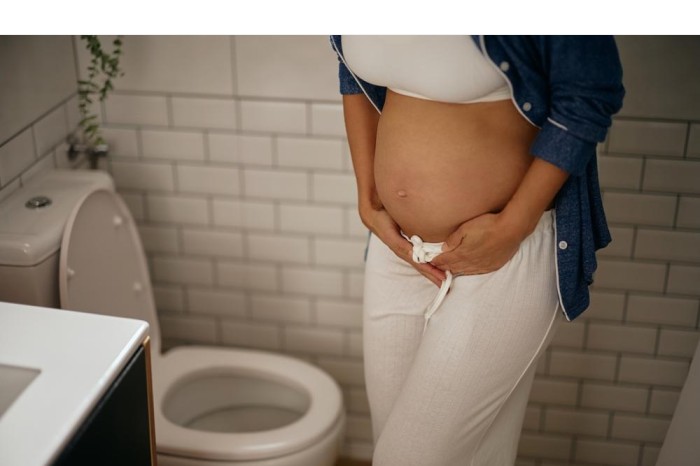
Your bladder sits right next to your uterus, and during a C-section the surgeon has to move it aside to reach the baby, so even when done carefully, that shift stresses the tissue and the surrounding nerves.
Here are the usual suspects:
Catheter use during surgery
A temporary tube drains urine and may cause mild bladder irritation for a short time after removal
Nerve disruption
Bladder signal nerves may be stretched or bruised, leading to delayed or weak sensations
Weakened pelvic floor muscles
Pregnancy strain weakens support muscles, affecting bladder control even after a C-section
Scar tissue and adhesions
Healing tissues can slightly alter bladder movement and cause lingering discomfort
Hormonal shifts postpartum
Low estrogen levels reduce urinary tract strength and efficiency
Rare surgical injury
In rare cases, minor bladder injury during surgery can impact normal function
If you had a long labour before the C-section or this is your second or third one, your risk goes up because scar tissue stacks with every surgery, so choosing the Best Maternity Hospital in Bhubaneswar for your delivery cuts down these risks through precise surgical technique and proper aftercare.
Ready to start your pregnancy journey with us? Book an appointment today for expert pregnancy care in Bhubaneswar and get the support you deserve. – Book an appointment
Signs and Symptoms
Some issues show up while you are still in the hospital, while others creep in weeks later when you think you are fully recovered, so here are the common things women notice:
Urine takes time to start or flows weakly when trying to pee
Small leaks happen during coughing, sneezing, or movement
A sudden urge comes with little warning and is hard to control
Bladder feels full even after just urinating
Burning or pain while peeing may indicate infection
A dull lower abdominal ache worsens when the bladder is full
Cloudy, smelly, or pink urine can signal infection
Frequent urination in small amounts without full relief
A little leaking in the first couple of weeks is usually normal, but still leaking at three months is worth a conversation with a specialist.
How to Manage Bladder Problems After C-Section
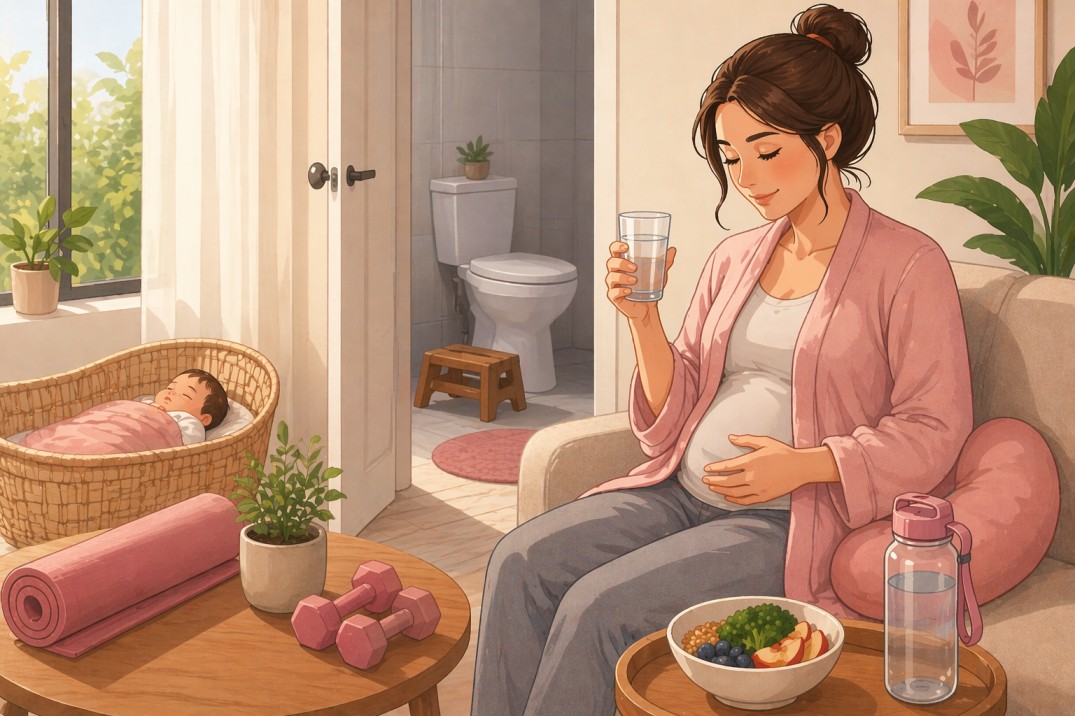
Most mild cases get better with some intentional effort, and these things actually help rather than just sounding good on paper:
Start Kegels once you're cleared
Ask your doctor when it’s safe to begin, which is usually around the six-week postnatal check, then squeeze like you’re stopping urine midstream, hold for five seconds, and release slowly for ten reps three times a day as the baseline target
Don't hold it in
Go when you feel the urge rather than waiting for a convenient moment, because holding urine for too long stretches the bladder and trains it to send weaker, later signals
Drink water
Cutting back on fluids only makes urine more concentrated and more irritating, so aim for pale yellow urine throughout the day instead of dark yellow
Cut the bladder irritants for now
Coffee, strong tea, citrus juices, spicy curries, and fizzy drinks all aggravate an already sensitive bladder, and reintroducing them slowly after a month shows you which ones actually trigger problems
Use a footrest on the toilet
Raising your feet so your knees sit above your hips opens the pelvic outlet and takes pressure off the floor muscles, making it easier to empty fully without straining
Don't strain on the toilet
Postpartum constipation is common and pushing hard during bowel movements puts direct downward pressure on the bladder and pelvic floor, so fibre, water, and a gentle stool softener go a long way
Rest more than you think you need to
Healing tissue genuinely needs time and lifting anything heavier than your baby in the first six weeks slows recovery and raises the chance of lingering bladder weakness
Pelvic floor physiotherapy
A trained therapist checks whether you’re contracting the right muscles through hands-on assessment or biofeedback, and most women discover they’ve been doing Kegels wrong for years
One more thing worth mentioning is that if you’ve had bladder issues through previous pregnancies too, bring that up with your doctor early because patterns matter more than people realise.
Ready to start your pregnancy journey with us? Book an appointment today for expert pregnancy care in Bhubaneswar and get the support you deserve. – Book an appointment
What Are the Treatments
When self-care isn’t enough, there’s a full range of medical options, and none of them have to be invasive:
Pelvic floor rehabilitation
Structured weekly sessions with a specialist that combine targeted exercises, manual therapy, and biofeedback screens so you can actually see which muscles are firing and retrain the weak ones over several weeks
Kegel Chair therapy
A non-surgical, FDA-approved chair that uses focused electromagnetic waves to contract pelvic floor muscles thousands of times in a single session, and you sit fully clothed with no pain, no recovery time, and no undressing involved
Bladder training
A scheduled voiding routine where you pee at fixed intervals and gradually extend the gap between trips, slowly rewiring the urgency signals your nervous system has been firing too frequently since delivery
Medications
Doctors prescribe antimuscarinics or beta-3 agonists for overactive bladder symptoms and short antibiotic courses for infections, with dosing adjusted carefully if you’re still breastfeeding
Vaginal estrogen
A low-dose topical cream applied a few times a week that restores tissue thickness around the urethra and helps it seal properly again, and it’s considered safe even during breastfeeding because absorption into the bloodstream is minimal
Pessary devices
A small, flexible silicone support inserted vaginally to hold the bladder and surrounding organs in the right position while your muscles rebuild, and it can be removed and cleaned at home with no surgery involved
Urethral bulking injections
A day procedure where a gel-like substance is injected around the urethra to thicken its lining and improve closure, which reduces stress leakage without the downtime of traditional surgery
Surgical options
Reserved for cases where everything else has failed, and these range from minimally invasive sling procedures to reconstructive repair of larger prolapse issues, usually with a short hospital stay
Rahat Hospital offers the full range of non-surgical options, including Kegel Chair therapy, with specialists handling both the gynaecological and urological side under one roof.
When To Consult A Doctor
Night sweats are not always benign, and certain patterns need a gynaecologist’s evaluation rather than self-management.
Consult a doctor if any of the following apply:
Some symptoms mean you should stop waiting and book an appointment:
Leaking hasn’t improved after three months postpartum
Sudden inability to pee, or needing to strain hard to start a stream
Fever combined with urinary symptoms like burning or frequency
Blood in your urine, even if it’s just a trace
Severe pelvic pain that doesn’t ease with rest or painkillers
Leaking during sleep, which is less common and often points to deeper issues
Recurrent UTIs, meaning three or more in a year
Feeling like something is falling, dragging, or bulging in the vaginal area
Ready to start your pregnancy journey with us? Book an appointment today for expert pregnancy care in Bhubaneswar and get the support you deserve. – Book an appointment
FAQs
1. Is bladder leakage after C-section normal?
Mild leaking in the first few weeks is common, but if it continues beyond three months you should consult a specialist.
2. Can a C-section damage the bladder?
Yes, though serious injury is rare, and most women experience temporary irritation, bruising, or nerve disruption that resolves with time or treatment.
3. How long does postpartum bladder recovery take?
Most women recover within six to twelve weeks, though some need longer, especially after repeat C-sections or complicated deliveries.
4. Do Kegels actually work?
When done correctly and consistently yes, but many women perform them wrong, so supervised pelvic floor therapy gives faster results.
5. Is Kegel Chair therapy safe after C-section?
Yes, once your doctor confirms your incision has healed properly, since it’s non-invasive and approved for postpartum recovery.
