Cesarean Section Delivery in Bhubaneswar
Rahat Hospital | Plot 349, Saheed Nagar, Bhubaneswar 751007
Phone: 09923288288 | Website: rahathospital.com
When a vaginal birth is not the safest path, a C-section performed by the right surgical team makes all the difference. At Rahat Hospital — the trusted maternity hospital in Bhubaneswar — your safety and your baby’s wellbeing are at the centre of every decision we make.
Key Capabilities:
- 24/7 Emergency C-Section Readiness
- Level-3 NICU On-Site
- Expert Obstetricians & Anaesthetists
24h
Emergency OT
L3
NICU Level
Experienced obstetricians & surgical team
On-site anaesthetists for spinal/general
Neonatologist present at high-risk deliveries
Modern OT with advanced surgical equipment
Private recovery rooms & postnatal suites
Types of C-Section
At Rahat HospitalElective (Planned) C-Section
Scheduled in advance when medical conditions make vaginal birth inadvisable — such as placenta praevia, breech presentation, or a previous uterine surgery.
Emergency C-Section
Performed urgently when an unexpected complication arises during labour — such as fetal distress, cord prolapse, or failure to progress. Rahat Hospital maintains 24/7 emergency OT readiness.
Repeat C-Section
For mothers who have had a previous C-section, a repeat procedure is often the safest option. Our team assesses VBAC (vaginal birth after caesarean) eligibility individually.
Understanding the Procedure
What Is a Cesarean Section?
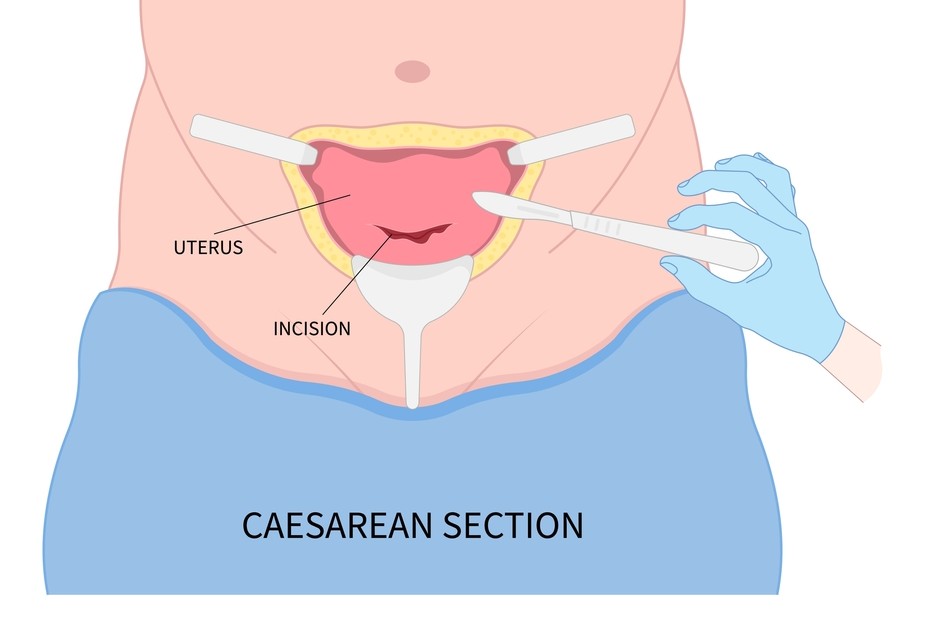
A cesarean section — commonly called a C-section — is a surgical procedure in which your baby is delivered through incisions made in the abdomen and uterus. It is one of the most performed surgical procedures in obstetrics and, when performed by a skilled team in a properly equipped facility, is very safe for both mother and baby
Quick Facts
Duration
A typical C-section takes 45–60 minutes from incision to closure. In an emergency, the baby can often be delivered within 30 minutes of the decision to operate.
Anaesthesia
Most C-sections are performed under spinal or epidural anaesthesia — you remain awake but feel no pain. General anaesthesia is used in specific emergency scenarios.
Hospital Stay
Most mothers stay 3–5 days after a C-section. Our team monitors your recovery, wound site, and baby’s health closely before discharge.
Conditions When a C-Section Is Recommended by Rahat Hospital?
A C-section may be recommended or required for a wide range of medical reasons. Understanding why your doctor recommends one helps you feel more confident in the decision.
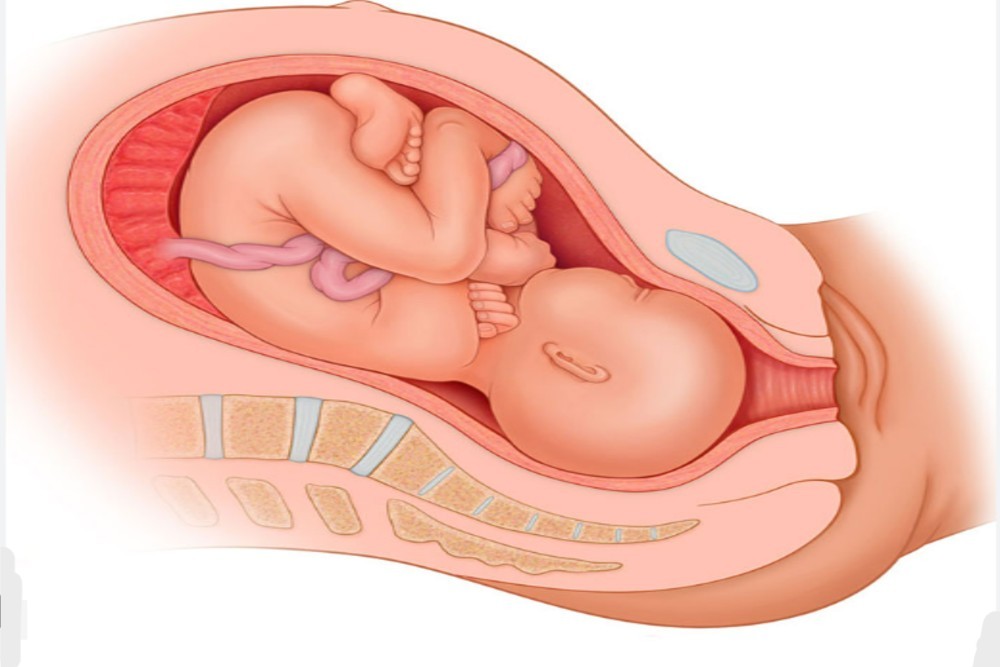
Abnormal Baby Position
If your baby is in a breech (feet-first), transverse (sideways), or unstable lie position close to your due date, a C-section is usually the safest option for delivery.
Fetal Distress
If the baby’s heart rate indicates they are not tolerating labour well — suggesting oxygen deprivation — an emergency C-section may be performed to ensure a swift, safe delivery.

Placenta Praevia
When the placenta partially or fully covers the cervix, a vaginal birth is not possible and a planned C-section is necessary. Rahat Hospital specialises in managing this high-risk condition.
Failure to Progress
If labour does not progress adequately despite appropriate management — cervical dilation stalls or pushing is ineffective — a C-section may be recommended.
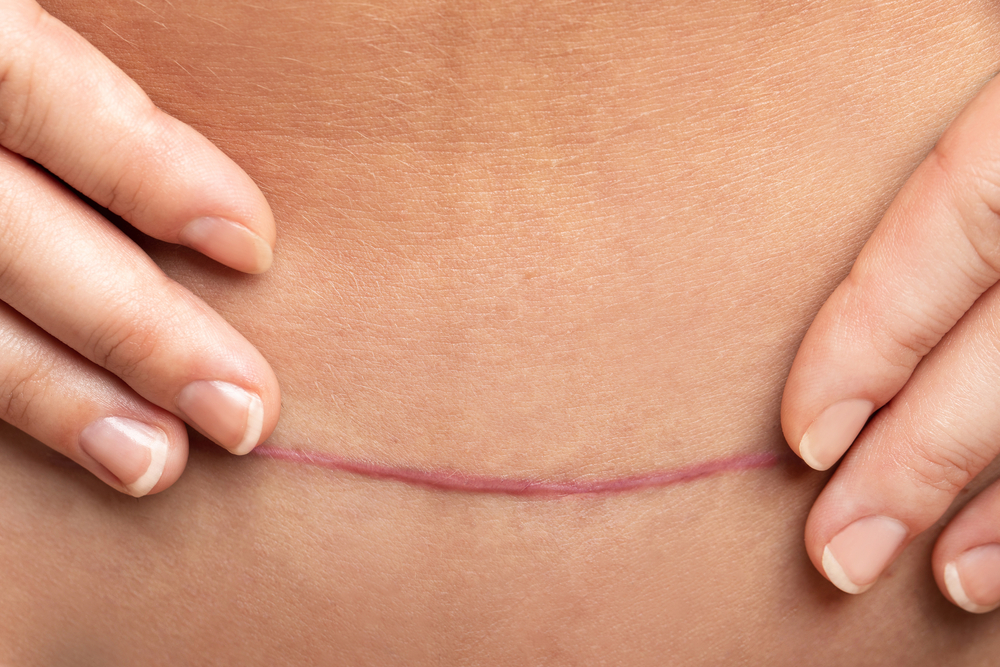
Previous Uterine Surgery
Mothers with a prior C-section or uterine surgery may be advised to have a repeat C-section to reduce the risk of uterine rupture. Our team evaluates VBAC candidacy individually and carefully.

Pre-eclampsia & Hypertension
Severe pre-eclampsia or uncontrolled blood pressure during labour can make a C-section the safest option to protect both mother and baby.
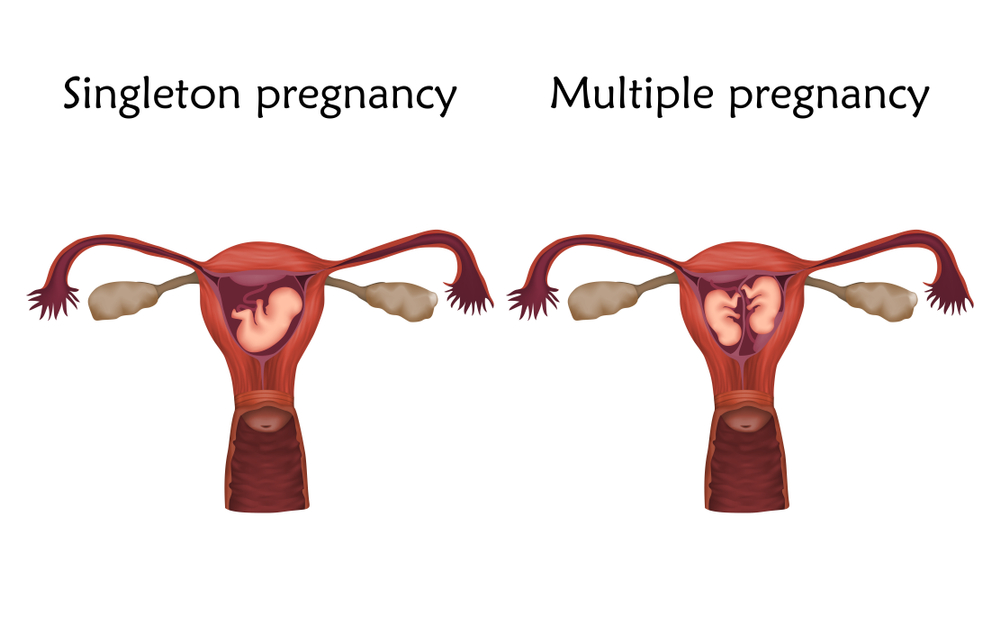
Multiple Pregnancy
Twin or higher-order multiple pregnancies often require a C-section, especially when the first baby is not in a head-down position.

Maternal Health Conditions
Certain conditions — including active genital herpes, severe cardiac conditions, or pelvic abnormalities — may make a C-section the safest mode of delivery for the mother.
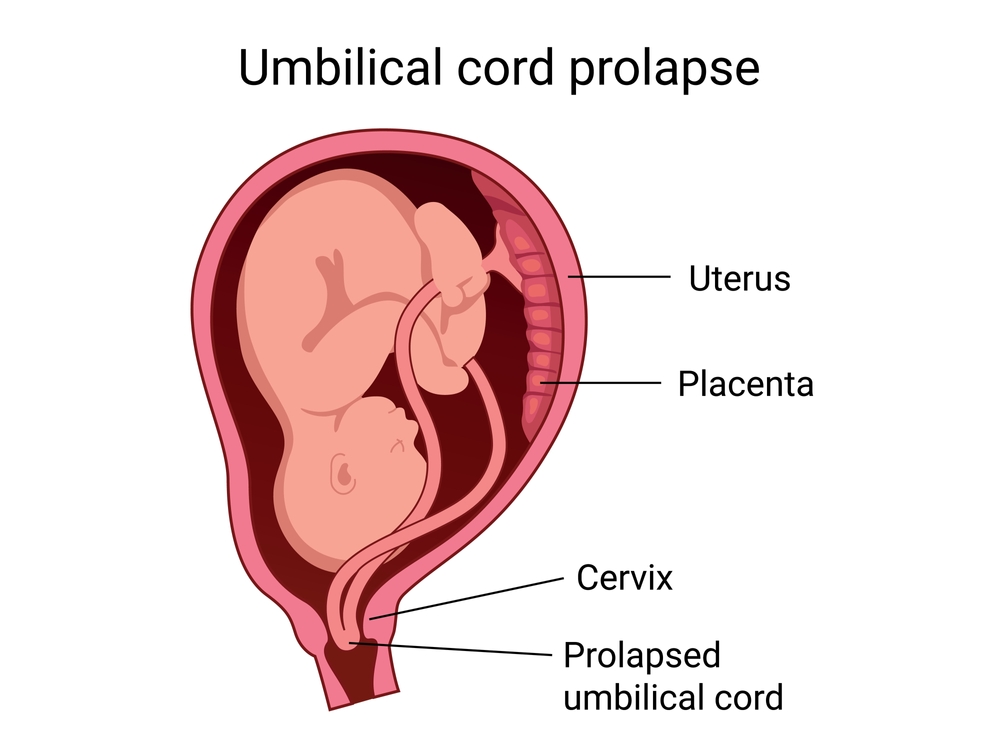
Cord Prolapse
When the umbilical cord slips ahead of the baby in the birth canal, cutting off oxygen supply, this is an obstetric emergency requiring immediate C-section.
Important: Not every C-section is an emergency. Many are planned, calm, and well-prepared. At Rahat Hospital, our obstetricians will clearly explain the medical reason for any C-section recommendation and ensure you are fully informed before proceeding.
Conditions When a C-Section Is Recommended by Rahat Hospital?
Whether your procedure is planned or performed as an emergency, our team follows a structured, safety-first protocol designed to keep you calm, informed, and in the best possible hands throughout.
Step 1: Pre-operative Assessment & Preparation
For planned C-sections, you will attend a pre-operative consultation where blood tests, anaesthesia review, and consent documentation are completed. You will be asked to fast for 6–8 hours before the procedure. For emergency C-sections, this is completed as quickly and safely as possible by our experienced team.
Step 2: Anaesthesia Administration
Our on-site anaesthetist will administer spinal or epidural anaesthesia, numbing you from the chest downwards while keeping you fully awake. A screen is positioned so you remain comfortable while the surgical team works. You will feel pressure but no pain. General anaesthesia is used only when spinal anaesthesia is contraindicated.
Step 3: The Surgical Procedure
Our obstetrician makes a horizontal incision — typically a low transverse (Pfannenstiel) incision just above the pubic hairline — followed by a careful incision into the uterus. Your baby is gently delivered through these incisions. The umbilical cord is clamped and cut, and the placenta is delivered. The entire delivery typically takes 10–15 minutes.
Step 4: Neonatal Assessment
Your baby is immediately assessed by our neonatology team — checking Apgar scores, breathing, heart rate, and colour. If your baby is healthy, skin-to-skin contact is encouraged as early as possible. If the baby requires additional support, our Level-3 NICU is ready immediately.
Step 5: Closure & Recovery Room
Once your baby is delivered, the obstetrician carefully closes the uterine and abdominal incisions in layers using dissolvable sutures. You are then moved to the recovery room, where our nursing team monitors your vital signs, bleeding, and pain levels for 1–2 hours.
Step 6: Postpartum Recovery & Discharge
Our postnatal team guides you through wound care, pain management, breastfeeding, and safe movement after surgery. Most mothers begin light mobility within 24 hours to support recovery. We provide full discharge instructions, postnatal follow-up appointments, and are available for any concerns after you return home.
Risks, Recovery & What to Expect
Like all surgical procedures, a C-section carries certain risks. At Rahat Hospital, we discuss these openly so you can make a fully informed decision. Our experienced surgical team and modern facilities are specifically designed to minimise these risks.
Understanding the Risks
Infection
Risk of wound or uterine infection, managed with prophylactic antibiotics and careful wound monitoring during your stay.
Blood loss
C-sections involve more blood loss than vaginal births. Our surgical team is experienced in minimising blood loss and managing it if needed.
Blood clots
Risk of deep vein thrombosis (DVT) is slightly higher after C-section surgery. Early mobilisation and compression stockings help prevent this.
Adhesions
Scar tissue may form inside the abdomen, which can occasionally affect future pregnancies or cause discomfort. This is discussed during your counselling session.
Anaesthesia reactions
While rare, reactions to spinal or general anaesthesia are possible. Our experienced anaesthesia team monitors you throughout.
Our commitment: Every risk is discussed with you before the procedure. We never perform a C-section without your full, informed consent — and we ensure you understand both the benefits and the risks of your specific situation.
Your Recovery Timeline
First 24 hours
Rest in your private room with continuous monitoring. The catheter is typically removed within 12–24 hours. Light sips of water and then food are introduced gradually. Pain is managed with medication.
Day 2–3
You will be encouraged to sit up and take short walks to stimulate circulation and prevent clots. Breastfeeding support is provided by our lactation team. A wound check is performed by your care team.
Day 3–5 (Discharge)
Most mothers are discharged 3–5 days after surgery with detailed wound care instructions, prescribed pain relief, and follow-up appointment details.
Weeks 2–6 at home
Avoid heavy lifting, strenuous activity, and driving. The wound heals progressively. Sutures dissolve on their own. Most mothers feel significantly better by week 3–4.
6-week postnatal check
Attend your scheduled follow-up at Rahat Hospital for a full postnatal review — wound assessment, pelvic floor advice, contraception guidance, and emotional wellbeing check.
Breastfeeding after a C-section is absolutely possible — and our dedicated lactation counsellors are with you from day one to ensure a smooth start, regardless of how your baby was born.
Why Choose Rahat Hospital for C-Section Delivery in Bhubaneswar?
As an established maternity hospital in Bhubaneswar, Rahat Hospital brings together the clinical expertise, infrastructure, and compassionate approach that make a genuine difference when it matters most.
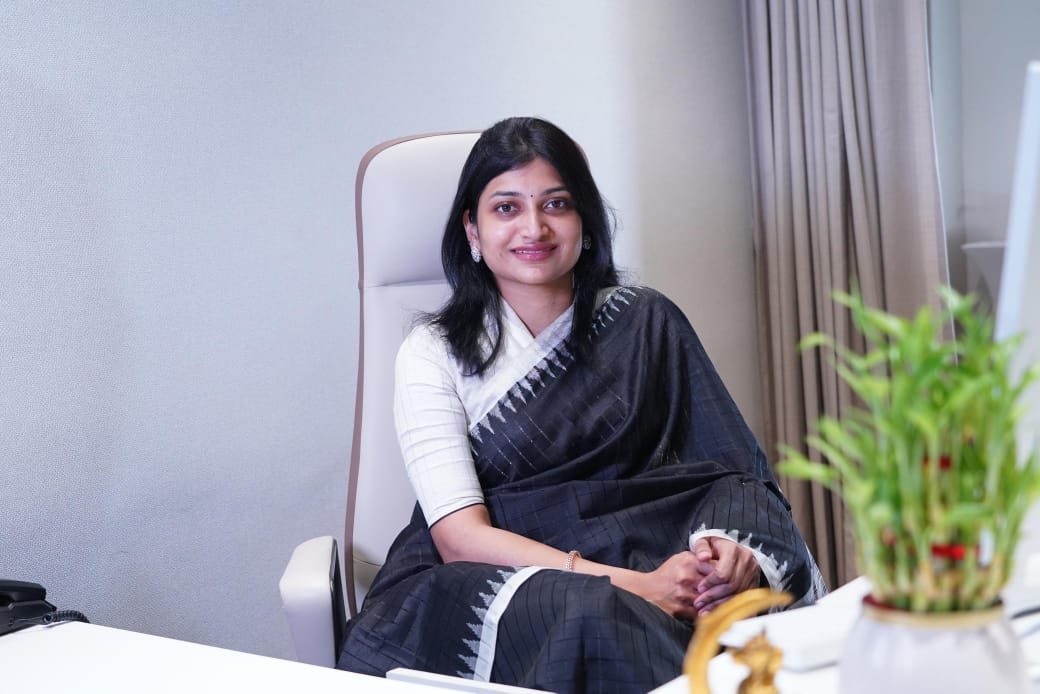
Led by Dr. Reshma K Priya
Our founder and Chief Gynaecologist leads a multidisciplinary team of obstetricians, neonatologists, and anaesthetists — ensuring every C-section, planned or emergency, is handled with expert precision and care.
24/7 Emergency Surgical Readiness
Obstetric emergencies do not wait for office hours. Rahat Hospital maintains round-the-clock operation theatre readiness with a full surgical and anaesthesia team available at any hour.
Level-3 NICU In the Same Building
If your baby needs neonatal support after delivery, our Level-3 NICU is right there — no transfers to another hospital, no delays. Expert neonatal care starts the moment it is needed.
High-Risk Pregnancy Specialists
From gestational diabetes and twins to preeclampsia and previous uterine surgery — our team has the expertise and advanced fetal medicine tools to manage complex cases safely.
Comfortable Private Recovery Rooms
Post-surgery recovery is smoother in a calm, private environment. Our Queen and Suite rooms are designed for dignity and comfort, with round-the-clock nursing support.
Google Review


Frequently Asked Questions
Is a C-section safe for my baby?
Yes. When performed by an experienced obstetric team in a properly equipped hospital, a C-section is safe for both mother and baby. At Rahat Hospital, our neonatologist is present at all high-risk deliveries, and our Level-3 NICU is immediately available if the baby needs any support after birth.
Will I be awake during the C-section?
In most cases, yes — you will be awake. Spinal or epidural anaesthesia numbs you from the chest down so you feel no pain, but you remain fully conscious and can hear your baby’s first cry. General anaesthesia is only used in specific emergency situations where spinal anaesthesia is not possible
Can my birth partner be in the room during the C-section?
In planned and non-emergency C-sections, yes — your birth partner is generally welcome to be present in the operation theatre. This is something our team will confirm with you during your pre-operative consultation.
How many C-sections can I safely have?
There is no universal limit, but each C-section does increase certain risks — particularly related to scar tissue (adhesions) and uterine complications. Most specialists advise careful evaluation after the second or third C-section. Dr. Reshma K Priya will review your history and provide personalised guidance.
Book a Consultation at Rahat Hospital
Whether you have been advised a planned C-section or simply want to be prepared for every possibility, Rahat Hospital — Bhubaneswar’s trusted maternity hospital — is here for you. Our team is ready to guide you from your first consultation all the way through to your postnatal recovery.
Contact Details
Phone
Address
Plot 349, Saheed Nagar, Bhubaneswar 751007
Emergency OT: Available 24 Hours, 7 Days
Website
rahathospital.com
For questions regarding Treatments and services, you are also welcome to contact us by filling out the form below.